“I bought a 3D printer… now what do I actually print that people will pay for?”
If that question has been sitting in the back of your mind, you’re not alone. The good news: you don’t need to be an engineer or a designer to start a profitable 3D printing side hustle. Thousands of everyday sellers on Etsy, eBay, and Amazon Handmade are quietly earning money with small, simple, 3D-printed items that took minutes to design and cost pennies in material.
This guide breaks down 30+ of the best things to 3D print and sell, organized by category so you can find a niche that fits your printer, your skills, and your audience. We’ll also cover where to sell, how to design products (for free), and whether you even need to own a printer to get started.
What You’ll Learn in This Article
- The 3-step process every 3D printing seller follows
- 30+ proven, beginner-friendly product ideas that sell
- The best places to sell 3D printed items online
- How to design your own products for free (no experience needed)
- Print-on-demand services vs. buying your own printer
Can a Beginner Really Make Money With a 3D Printer?
Yes — and you don’t need a $5,000 industrial machine to start. A solid consumer FDM printer can be had for well under $300, and a single spool of filament (around $20) is enough to print dozens of small items. Because the marginal cost per item is so low, even a $10–$25 sale leaves a healthy margin.
The catch isn’t the technology — it’s picking the right products. Print something too generic and you’ll fight thousands of competitors on price. Print something with a clear purpose, a clever twist, or personalization, and you can charge a premium.
The 3-Step Process Every 3D Printing Seller Follows
Behind every 3D printed product for sale, the workflow is always the same three steps:
1. Decide what to make. Pick a product with real demand and a clear use case. (The list below is your shortcut.)
2. Create the 3D model. Design it yourself or customize an existing open-source model (more on tools below).
3. Print and ship it. Use your own printer or a print-on-demand service, then list it on a marketplace.
Best Things to 3D Print and Sell (by Category)
These are grouped by niche so you can specialize. Sellers who “niche down” (e.g., only pet products, only desk organizers) tend to rank higher in search and build a loyal following faster than general stores.
1. Home & Kitchen Decor
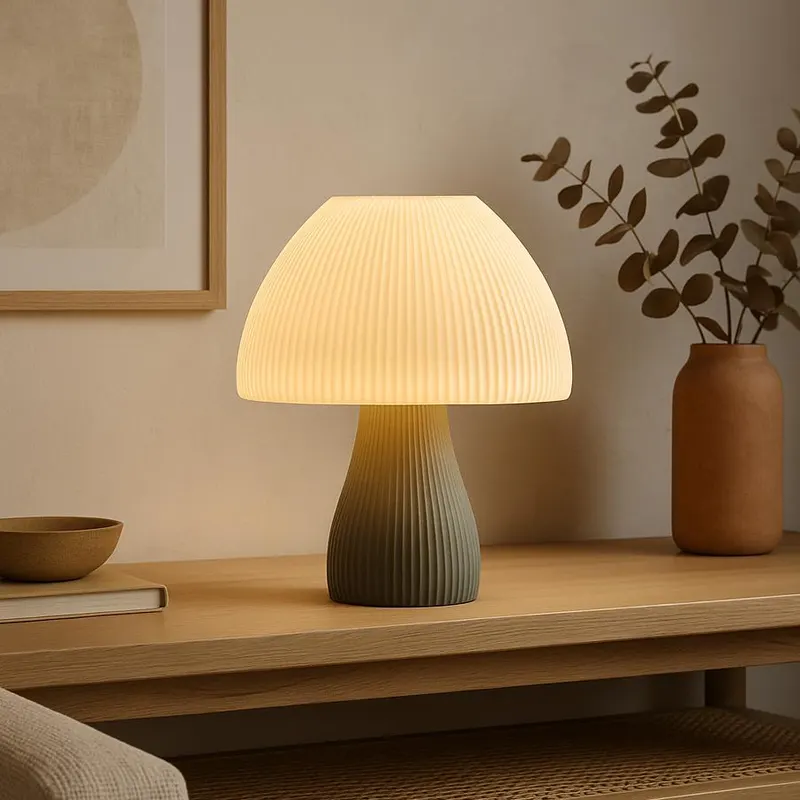
Geometric planters & pots — Small succulent pots with hex, wave, or woven textures. Lightweight, Instagram-friendly, and easy to print in any color.
Self-watering planters — A step up in value; buyers love “low-maintenance” plant care.
Decorative vases — Knit-pattern or organic “berry” shapes show off the smooth curves only 3D printing delivers.
Pet food bowls & stands — Customizable by dog/cat size and name. Personalization justifies a higher price.
Fruit baskets & serving bowls — Organic, classic forms that look handmade but print cleanly.
Floating wall shelves & wall art — Lightweight printed panels and mini shelves for nurseries and offices.
2. Organization & Storage
Cable organizers & cord clips — Tiny, print in bulk, and solve a universal annoyance. A top beginner seller.
Drawer dividers & organizers — Modular grids for junk drawers, makeup, or tools.
Makeup & cosmetic organizers — Brush holders, lipstick racks, and vanity trays sell consistently.
Key hooks & wall-mounted key racks — Add a stamp or name slot and it becomes a gift item.
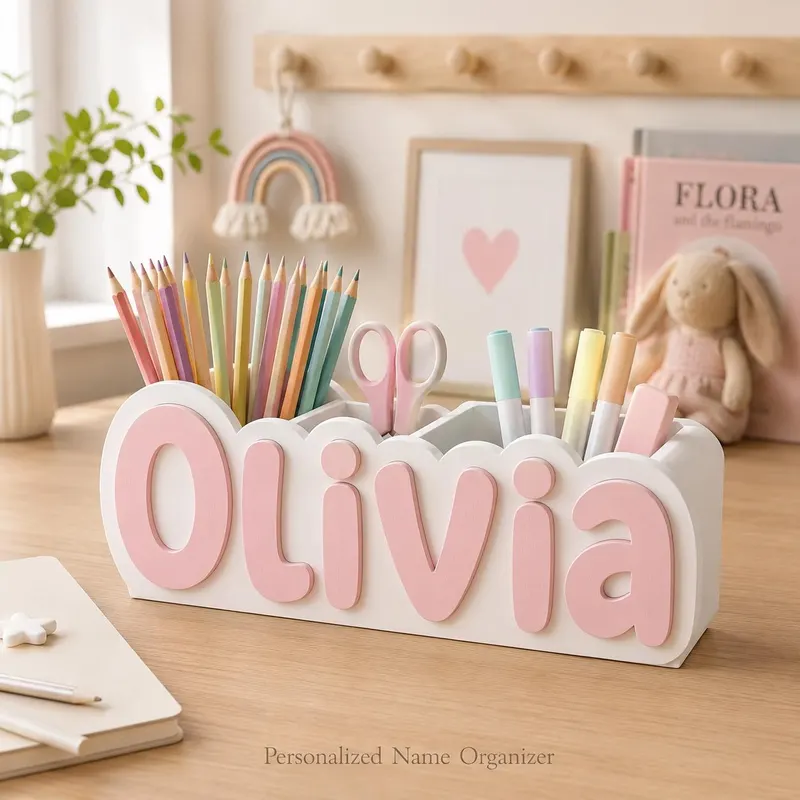
Desk organizers — Pen cups, card stands, and cable trays for the work-from-home crowd.
3. Phone & Tech Accessories
Phone & tablet stands — Bedside, desk, and fold-flat travel stands are evergreen bestsellers.
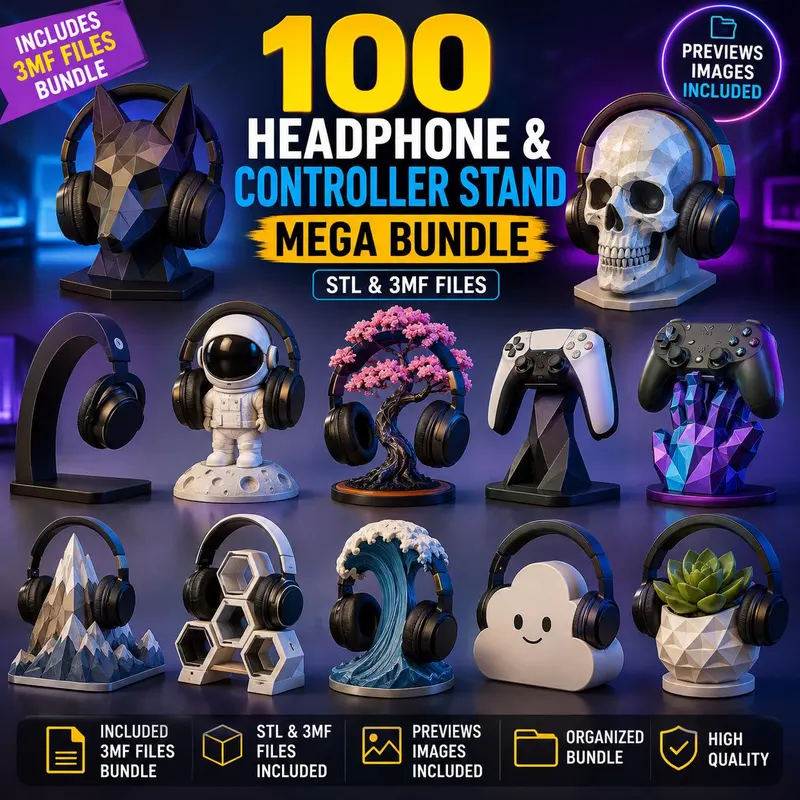
Headphone & controller stands — Gamers happily pay $15–$30 for a custom stand.
Pop sockets & ring holders — Animal, floral, or pop-culture shapes with smooth printed curves.
Webcam & privacy covers — A 2-minute print that pairs well as a free gift with other tech items.
Adapter & charger covers — Turn an ugly power brick into a cute character (e.g., a bunny-ear topper).
Cable tidy clips for walls & desks — Simple, printable in many colors, great as multipacks.
4. Pet Products
Custom pet ID tags & collar charms — Print a miniature of the owner’s actual pet; hugely giftable.
Adjustable bowl stands — Sized to the animal, often with the pet’s name embossed.
Cat toys & treat puzzles — Interactive feeders keep cats busy (and buyers happy).
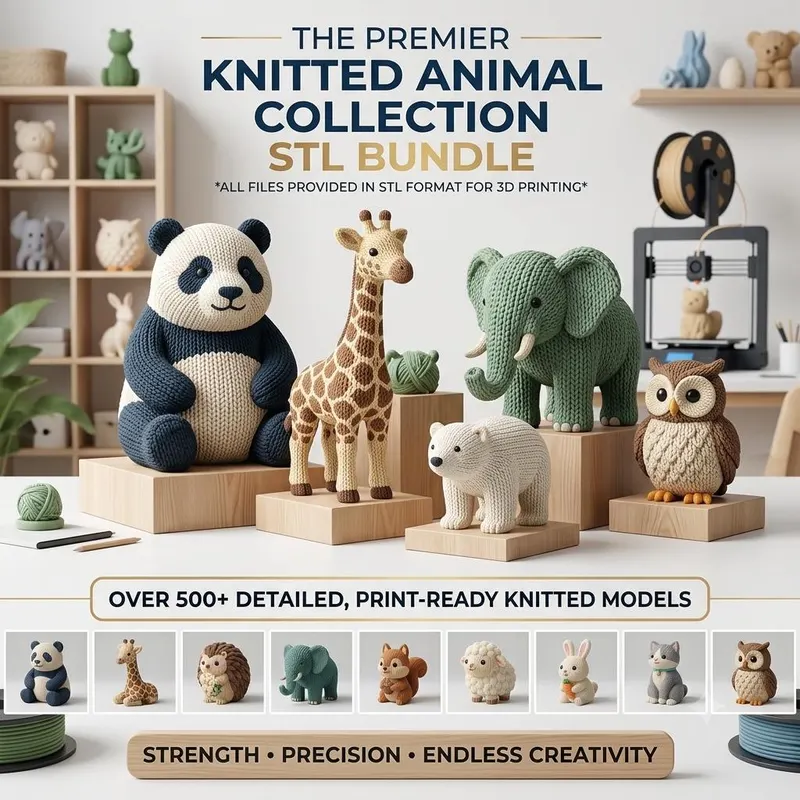
Animal-shaped bag clips — “Cat biting a bread bag” clips are cute, cheap, and sell in sets.
5. Jewelry & Fashion Accessories
Earrings, rings & pendants — Intricate lace-like patterns that would be costly to manufacture any other way.
Hair clips & headbands — Charms that snap onto plain adapters.
Brooches & pins — Floral and geometric designs with a handmade feel.
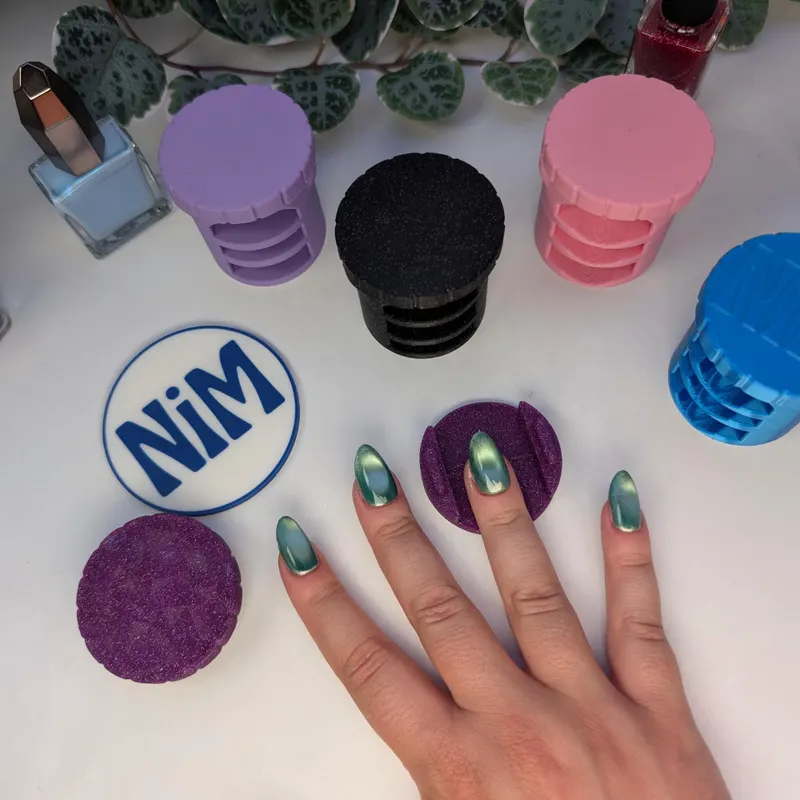
6. Office, Desk & Stationer
Business card & name stands — Personalize with a logo or name; popular with small businesses.
Animated bookmarks — Little creatures that “peek out” of a book; a viral gift idea.
Memo & photo stands — Shiba, corgi, or paw-print shapes add personality to any desk.
Plant markers & garden labels — Weatherproof tags for herb gardens and nurseries.
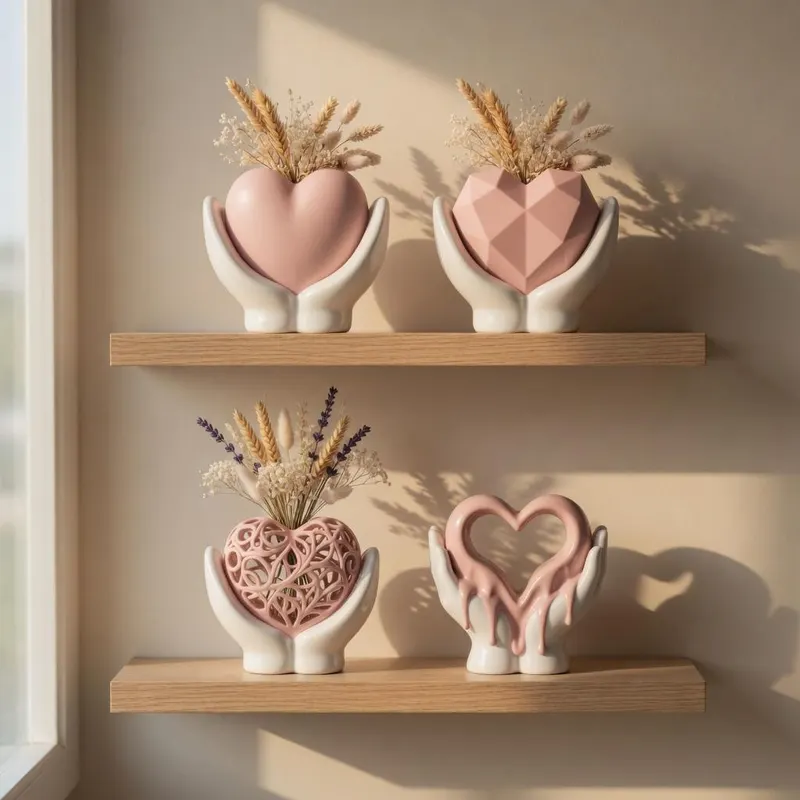
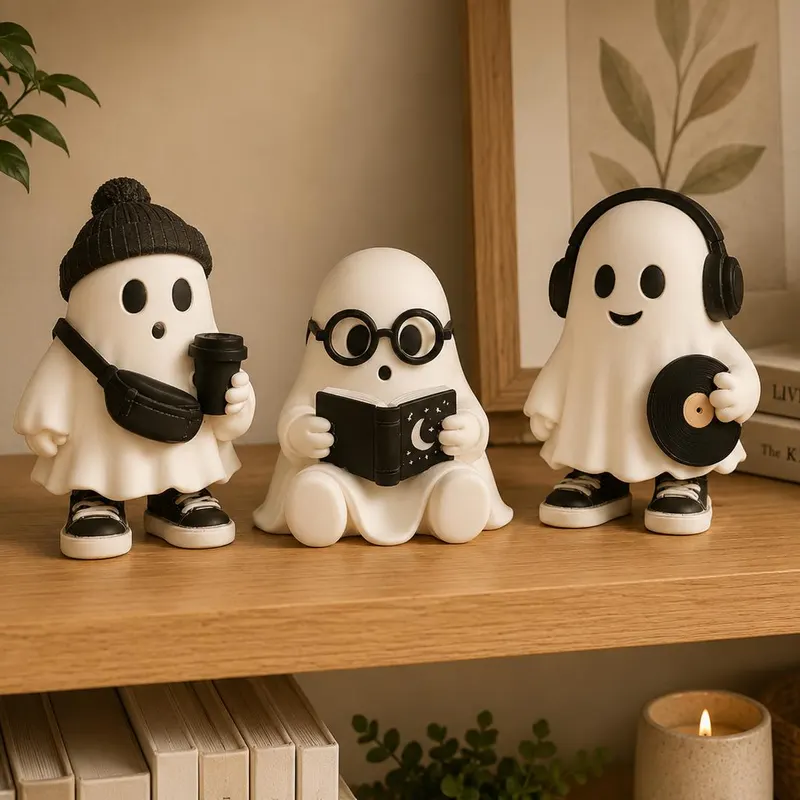
7. Toys, Novelties & Collectibles
Fidget toys & spinners — Endless remix potential; great for bulk and multipacks.
Animal magnet sets — Colorful dinosaur or cat magnets for fridges and lockers.
Mini figurines — Whales, dragons, and characters that double as desk decor.
Board-game accessories & miniatures — Custom dice towers, token trays, and terrain

8. Seasonal & Gift Items
Tabletop Christmas trees — Collapsible, stylish, and stored flat off-season.
Personalized name signs — “BATHROOM,” “TOILET,” or kids’ door signs; lightweight and easy to mount.
QR-code stands for small businesses — Restaurants and salons use these to show menus or social links.
Wedding & party favors — Place-card holders and custom cake toppers.
9. Functional & Replacement Parts
Drawer pulls & knobs — Vintage or modern styles that beat hardware-store prices.
Brackets, hooks & spacers — Print the exact size a broken original needs.
Stencils & templates — Patterned stencils for DIY and craft buyers
Tip: The most profitable sellers combine a useful item with personalization (a name, a pet’s face, a custom color). That’s the fastest way to escape race-to-the-bottom pricing.
Where to Sell 3D Printed Items
You have three main channels. Pick based on fees, audience, and how much hands-on work you want:
Etsy — The #1 marketplace for handmade and personalized 3D printed goods. Built-in audience, strong SEO, but ~6.5% transaction fee + listing fees.
eBay — Good for volume and auction-style testing of new designs.
Amazon Handmade — Curated “handmade” section; lower competition but stricter approval.
Shopify / your own store — Zero marketplace fees and full brand control, but you drive your own traffic (great with TikTok/Instagram).
Facebook Marketplace & local craft fairs — Zero fees, instant local pickup; ideal for larger decor items.
Print-on-demand platforms — Shapeways, Treatstock, and similar let you upload a model and they handle printing and shipping (see below).
MakerMarket — A platform built for the 3D printing community. As a seller, you can open your own storefront to sell your original designs — the MakerMarket team will help you set up your store, arrange mass production, and handle fulfillment. As a buyer, you can browse and purchase finished products directly from other creators.
Sell and Shop on MakerMarket
If you’re looking for a platform built specifically for the 3D printing community, MakerMarket is worth a close look. It’s designed to bridge the gap between creators and buyers in two powerful ways:
Open your own store as a seller — MakerMarket lets you set up a storefront to sell your original 3D printing designs. What sets it apart is the platform’s hands-on support: the MakerMarket team can help you build your store, arrange mass production, and handle fulfillment and distribution — so you can focus on designing while they handle the logistics.
Buy directly from other creators — Not ready to sell yet, or just looking for inspiration? You can also browse and purchase finished products from other creators on MakerMarket, supporting fellow makers while discovering what’s trending in the community.
Whether you’re a designer ready to scale or a buyer looking for unique 3D printed goods, MakerMarket offers a dedicated space that understands the maker ecosystem from the ground up.
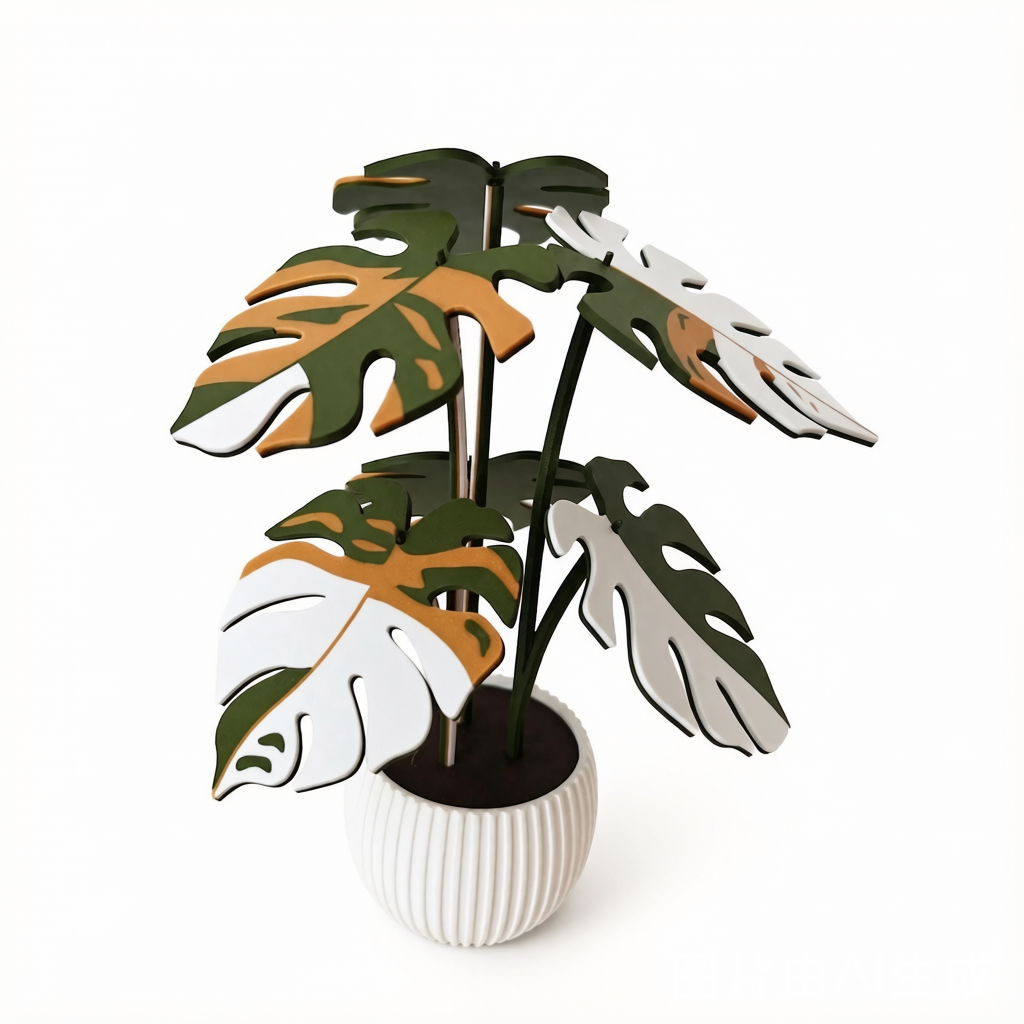
3D Printed Monstera Coaster Plant
A versatile 3D Printed Monstera Coaster Plant featuring a tropical leaf design. Use it as a mini planter for small plants or a stylish coaster to add a touch of nature to your space.
Shop on MakerMarketHow to Design Products (Free, No Experience Needed)
You don’t need expensive software or a degree. Start here:
Tinkercad (free, browser-based) — The easiest entry point. Drag-and-drop shapes; most beginners ship their first model the same day.
Fusion 360 Personal (free for hobbyists) — More powerful; ideal once you want parametric, customizable designs (e.g., a name stand that auto-fits any text).
Customize existing open-source models — Sites like Printables and Thingiverse have “remixable” designs. If you sell a modified model, check the license and credit the original author to avoid copyright issues.
Learn for free on YouTube — Search “Tinkercad for beginners” or “Fusion 360 product design” and follow along.
If your goal is to eventually sell, we recommend designing your own simple models from day one. It protects you legally and builds a unique catalog no one else can copy exactly.
Print-On-Demand Service vs. Buying Your Own Printer
You have two ways to actually produce the item:
| Option | Upfront cost | Per-item cost | Best for |
|---|---|---|---|
| Print-on-demand service | $0 | Higher (you pay per order) | Testing ideas, no equipment, scaling without inventory |
| Own FDM printer | ~$200–$400 | Very low (filament + electricity) | Established sellers, bulk, max margin |
| Own resin (SLA) printer | ~$200–$500 | Low, but more post-processing | Jewelry, miniatures, high-detail items |
Our take for beginners: Start with a print-on-demand service or a cheap FDM printer to validate demand. Once an item consistently sells, owning a printer drops your cost per unit dramatically. A single spool of PLA can yield 30–50 small items, so your material cost is often under $1 each.
Best Materials for Selling 3D Printed Goods
PLA — Cheapest, easiest, eco-friendlier; perfect for decor, organizers, and gifts (not food-safe or heat-resistant).
PETG — Tougher and semi-food-safe; great for planters, kitchen, and outdoor items.
TPU (flexible) — Rubber-like; ideal for phone cases, bag clips, and wearables.
Resin (SLA) — Smoothest detail for jewelry and miniatures, but needs washing/curing and isn’t as durable.
5 Tips to Stand Out and Sell More
Niche down. “3D printed cat accessories” beats “3D printed stuff” every time in search and branding.
Offer personalization. Names, pet faces, and custom colors let you charge 2–3× the base price.
Photograph like a pro. Clean background, natural light, lifestyle shots (item in use). Photos sell more than descriptions.
Bundle & upsell. “Set of 3 cable clips” or “cat clip 4-pack” raises average order value.
Use the right keywords. Title and tags should match what buyers search: “3D printed phone stand,” “custom pet tag,” “desk organizer,” etc.
Start Small, Then Scale
The three steps never change: pick a product → design the model → print and list it. Begin with one category from the list above, print a handful, photograph them well, and list on Etsy or a print-on-demand platform this week. You’ll learn more from your first 10 sales than from any tutorial.
Want the right machine to print these yourself? Check our 2026 3D Printer Price Guide to compare beginner-friendly printers by budget and features, then come back and launch your first product.
Ready to turn that printer into profit? Pick one item from this list, design it tonight, and list it this weekend. Your first sale is closer than you think.